
Start with the three suits
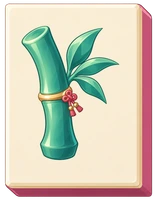
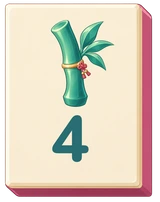
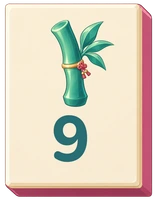
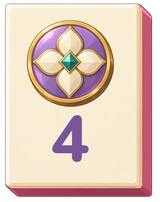
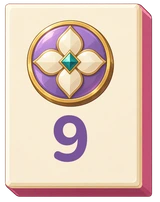
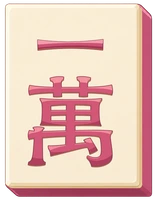
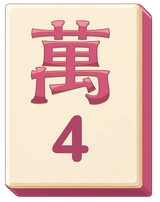
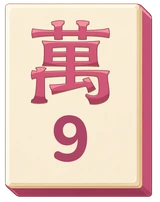
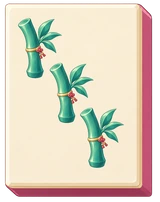
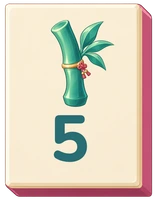
Bamboo, dots (also called circles), and characters each run from 1 to 9. Learn to recognise the suit first, then the number. An ornate bird or a lipstick can still represent a bamboo tile in a themed set; the game identity stays the same.
Try sorting a handful into three suit families. You are organising information, not deciding your whole hand yet. Leave a little space between families so your eye can spot neighbours.
Winds and dragons have names, not ranks
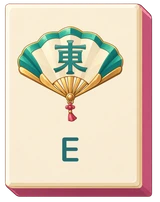
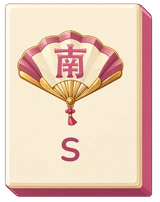
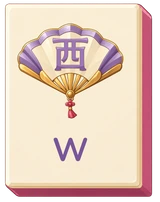
East, South, West and North are winds. Red, green and white are dragons. These are honours: do not try to turn three different winds into a numerical sequence. Matching East with East is a different idea from arranging 3, 4 and 5 of one suit.
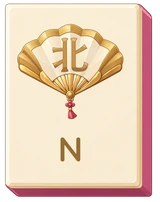
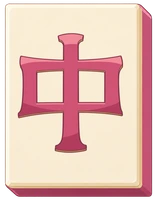
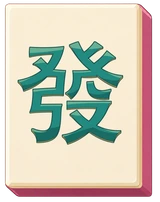

Check the extra tiles before you play
Flowers, seasons and jokers are not used in the same way across mahjong. In particular, American card-based play has its own rules for flowers and jokers. Do not carry a habit from one table into another without checking.
A useful first question is: “Which tiles are we using, and what do we do when we draw one of these?” Put the answer beside your chosen ruleset, rather than memorising it as a rule for all mahjong.
Your turn
What do you see?
Look at these three tiles. Which description fits?
Saved in this browser. Completion is yours to mark when you feel ready.
See the sets. Find the pair. →
Break a busy rack into small, readable shapes. Then try a few yourself.
Sources & scope
An original Hé Fēn explanation with our own teaching examples. Reference links checked 13 September 2026. We are not affiliated with these organisations.
- Riichi rules, 2025 edition European Mahjong Association. Competition rules for EMA play. Use the published edition and its annotations; other Riichi tables can differ.
- An introduction to American mah jongg National Mah Jongg League. The League’s introduction to its card-based game, the Charleston and jokers.